 English
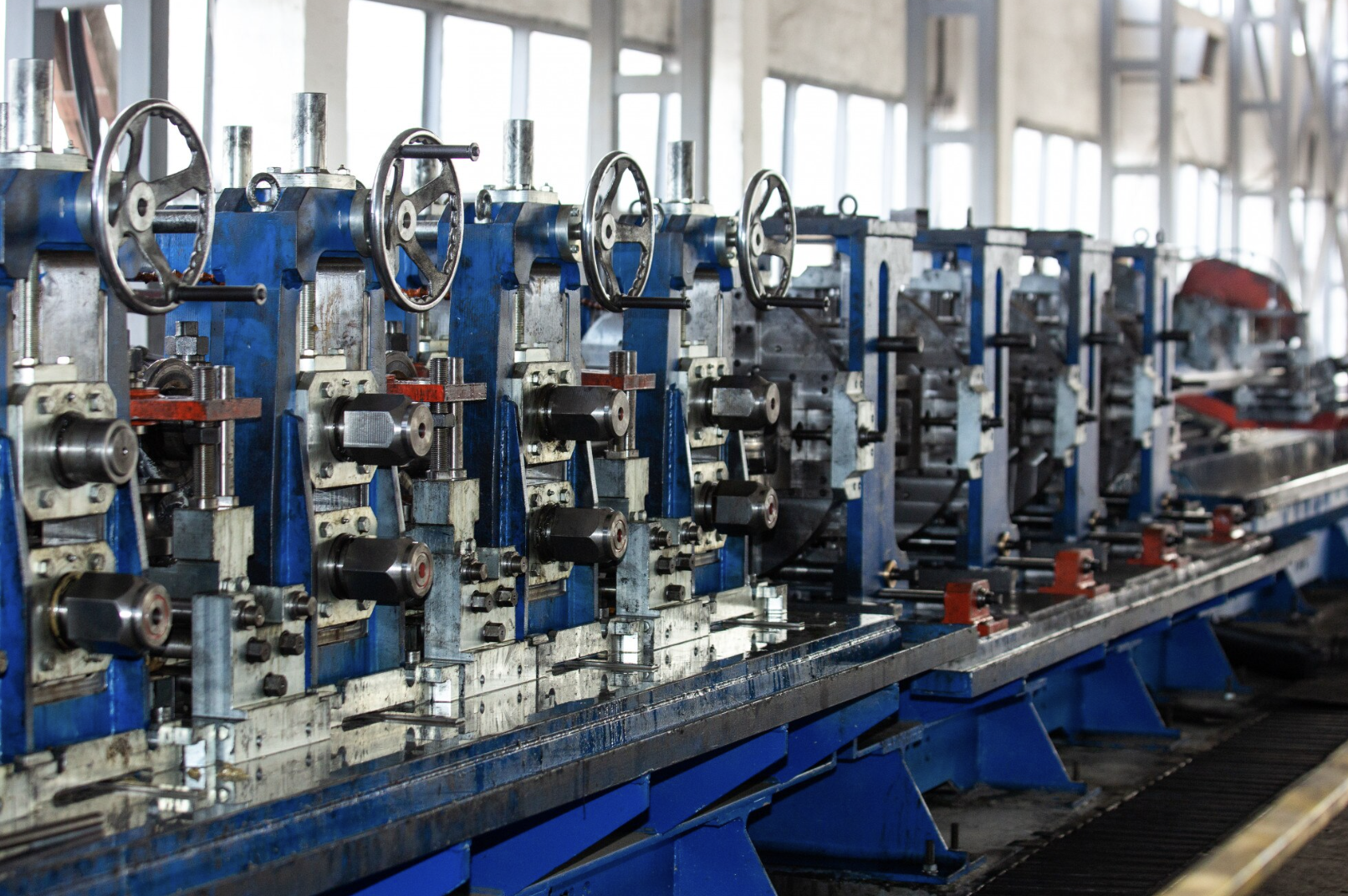
Identify common lubrication errors and learn how proper selection, handling, and monitoring improve industrial equipment reliability.
Introduction
Most lubrication failures are preventable. Small mistakes accumulate over time and eventually result in major shutdowns. Lubrication is often treated as routine maintenance, but incorrect practices directly affect equipment life and plant reliability.
Incorrect Viscosity Selection
Viscosity determines the thickness of the lubrication film between moving components. Selecting ISO VG 220 instead of ISO VG 320 for a heavily loaded gearbox can reduce protection and accelerate wear. Conversely, using excessive viscosity may increase friction and energy consumption. Proper viscosity selection must align with load, speed, and operating temperature.
Over-Greasing Bearings
Over-greasing is a common issue in industrial plants. Excess grease can cause:
● Increased internal pressure
● Elevated bearing temperature
● Seal damage
● Premature failure
Correct grease quantity and relubrication intervals are essential for bearing longevity.
Mixing Incompatible Greases
Different grease thickeners — lithium, calcium, polyurea — may not be compatible. Mixing incompatible greases can lead to separation or performance degradation. Before switching grease types, compatibility evaluation is recommended. Ignoring Oil Condition Monitoring Skipping oil analysis removes early warning indicators such as:
● Wear particles
● Water contamination
● Oxidation changes
Condition monitoring allows maintenance teams to plan interventions instead of reacting to breakdowns.
Poor Storage Practices
Improper storage exposes lubricants to dust and moisture before application. Containers should remain sealed, clean, and properly stored to maintain performance integrity.
Conclusion
Lubrication is a controlled technical function. Proper selection, application, monitoring, and storage significantly reduce equipment failure and improve operational stability.